The Global Credentialing Crisis
Why 2 Billion Workers Are Invisible
Week 1 of 8: The GetSmart Token Series | February 6, 2026
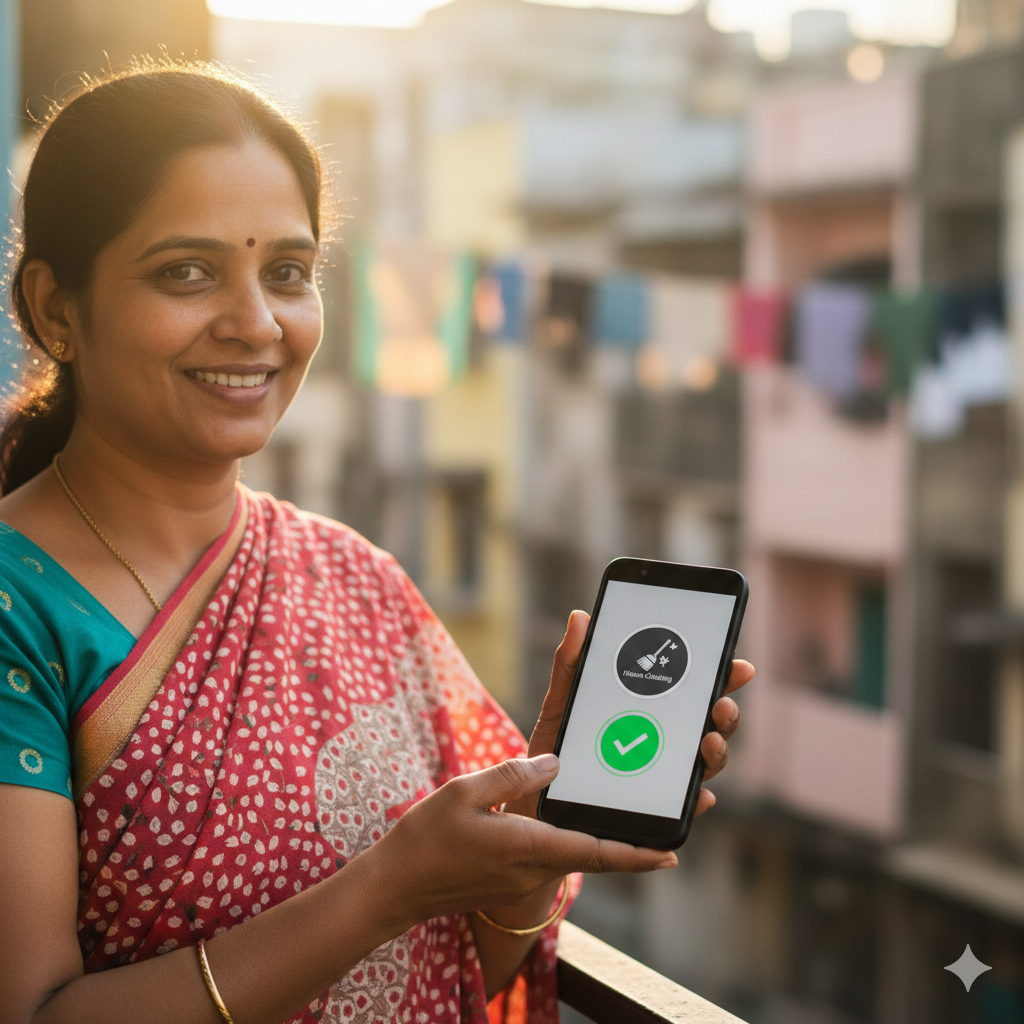
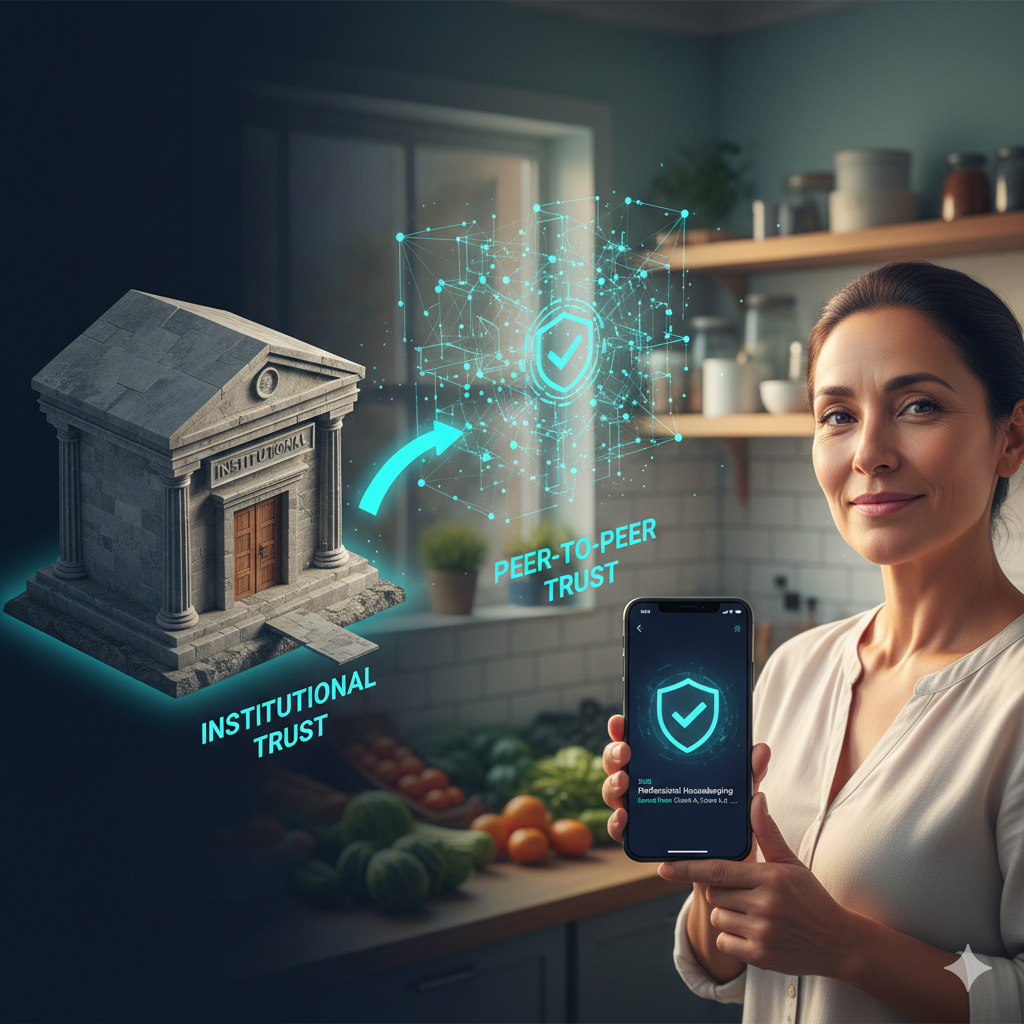
Maria cleans houses six days a week. She’s done it for fifteen years. She can deep-clean a three-bedroom home in four hours and has references from dozens of satisfied clients.
But according to the formal economy, Maria has zero qualifications. She’s invisible.
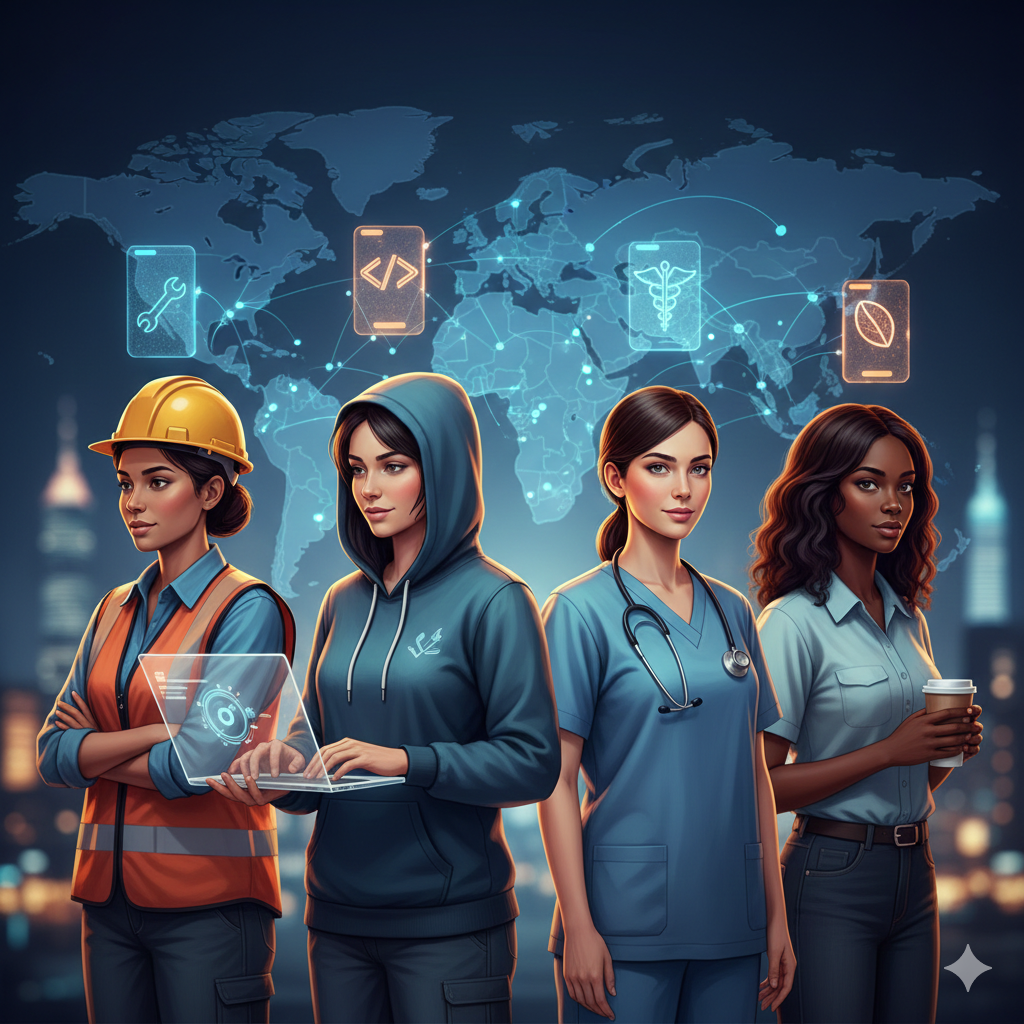
Maria is one of 2 billion workers globally who possess valuable skills but lack verified credentials. They are the backbone of the informal economy—childcare providers, handymen, and delivery drivers—whose expertise goes undocumented.

Of global learning is undocumented
U.S. Student Loan Debt
Three Interconnected Crises
1. The Credentialing Gap
Traditional credentials (degrees, licenses) act as gatekeepers. To get one, you need access to geography, money, and time—barriers that exclude billions. Today, skill and credentials have become decoupled.
— Carmen, Childcare Provider
2. The Verification Problem
| Problem | Impact |
|---|---|
| Expensive | $50-500 per background check |
| Easy to Forge | Diploma mills proliferate |
| Static | 10-year-old degrees don’t reflect current skills |
3. The Debt Burden
For those who do access the system, the cost is crushing. In the US alone, 40 million borrowers owe $1.7 trillion. Meanwhile, defaulted debt trades for less than 1 cent on the dollar—a system that traps humans in debt that has almost no market value.
The Peer-to-Peer Alternative
What if we didn’t need gatekeepers? In every other industry—Money (Bitcoin), Transport (Uber), Lodging (Airbnb)—we have moved to peer-to-peer models. Credentials are next.
Why This Matters Now
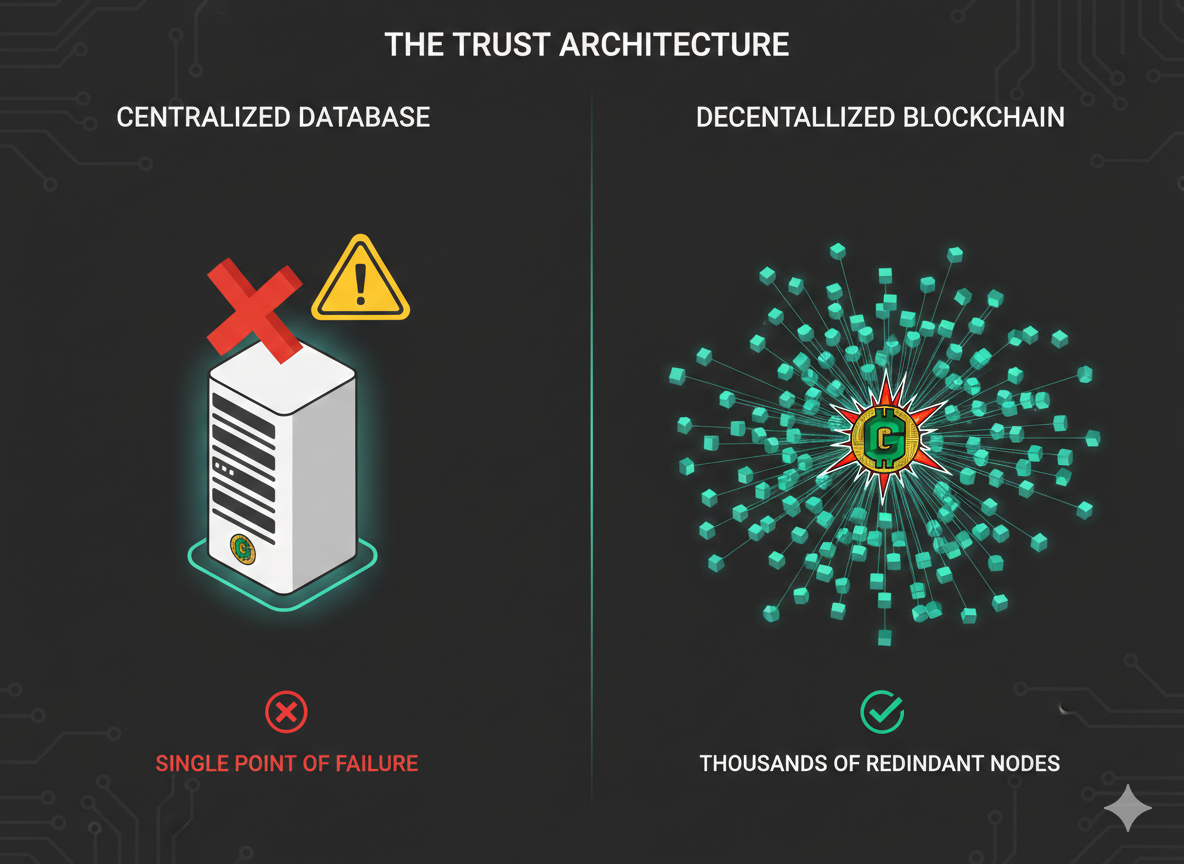
- Blockchain: Creates forge-proof, individual-owned records.
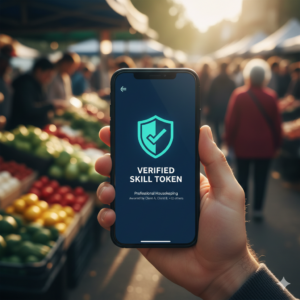
- Smartphones: 67% of the global population now has the tool to carry their “resume” in their pocket.
- Urgency: The current debt-based education model is economically unsustainable.
What’s Next?
Next week: Introducing GetSmart Token—How Peer-to-Peer Credentials Actually Work